Service/Development Advisory
Development Advisory
Early judgment for developers and hoteliers, before the drawings harden.
We sit across the table from the developer, the hotelier, or the family office in the months before a property locks. The work is acquisition narrative, audience, program logic, precedent reading, material direction, and regional fit, sorted out while everything is still cheap to change. A floor plate is easy to redraw on a deal memo. It is expensive to redraw at construction documents and it is humiliating to redraw at certificate of occupancy. We come in for the period when judgment still moves the building.
What we decide before drawings
The acquisition narrative: what this property credibly is, what it cannot pretend to be, and what story the buyer or guest will tell three years after closing. The audience: a Greenwich family with a horse program, a Litchfield County weekend household running a quiet table for twelve, a hotel guest who has just come from Hotel du Couvent and will judge the bath plaster within ninety seconds. The program: how many bedrooms, how the kitchen splits, where the boot room sits, whether the hearth is the room or a feature in the room. The precedent set: which two or three projects in the canon this house is in conversation with. The material direction: lime ground or gypsum, fumed oak or rift white, fieldstone in lime mortar or dry-stack, Salernes terracotta or Provence tomettes. The regional fit: what Litchfield zoning and Litchfield neighbors will accept on a hillside, what a Lombard comune will permit on a frescoed wall. Each of these is a separable decision and each one shifts the value at exit.
Adaptive reuse without flattening the history
Most repositioning briefs we see flatten the building to get to the pro forma faster. The frescoed ceiling gets dropped because the HVAC consultant wants a plenum. The sgraffito facade gets stuccoed because the painter quoted a clean coat. The chestnut beams get sandblasted because the GC's crew does not know how to read the patina under three centuries of wax. We work the other direction. We read the fabric first, with a restorer who knows lime, a structural engineer who has worked on inherited masonry, and a historian for the region when the building warrants one. Then we decide what is load-bearing culturally as well as structurally, and we design the program around what cannot be touched. The result on the developer's side is a building that holds a higher price per square foot at sale or per key at opening, because the buyer or the guest can feel that the history was not stripped to make the numbers work.

Hospitality-grade decisions, transferred to private residential
The discipline that runs Le Coucou Meribel, Hotel du Couvent, Passalacqua, Castello di Reschio, and Schloss Elmau is the same discipline we bring to a Greenwich Shingle Style or a Salisbury Federal. Delete a room to make the arrival breathe. Commission a single tile workshop, Salernes or a Lombard kiln or one of the remaining hand-shops in Vietri, across the entire project so the floor reads as one material. Specify one bronze finish, one brass finish, one stone vein orientation, and hold it through every threshold. Build the boot room before the foyer, because in Litchfield in February the family enters through the mudroom, never the front door. Split the kitchen in two: a working scullery for staff and prep, a presentation kitchen for the household and the table. These are the moves that separate a good country house from a great one, and they cost the same as the lesser version if they are decided on the deal memo rather than during finish-out.
Precedents we work against, by name
Le Coucou Meribel for how a contemporary alpine hotel can quote the chalet vernacular in fumed larch, red felt, and ceramic detail without parody. Hotel du Couvent in Nice, the Festen project, for how a monastic envelope absorbs hospitality program without losing the original quietness of the walls. Passalacqua on Lake Como for how a private villa converts to a hotel and reads as a private villa still. Castello di Reschio in Umbria for the multi-decade restoration arc, the on-site workshops, and the family-office economics that let restoration breathe across twenty years. Schloss Elmau for how a serious cultural program, concerts, lectures, library, sits inside hospitality without theming. When we write a brief, we name which of these the project is in conversation with, and we name the ones it must not resemble. The clarity protects the budget.
Where this work lands in the deal cycle
Best moment: under contract, before architect selection. We can shape the brief that the architect responds to, name the workshops that get put on the spec sheet, and write the cultural language that the broker or the hotel operator will use at exit. Second-best moment: schematic design, before the structural engineer commits the slab. We can still delete a room, move the stair, and reframe the kitchen split. Acceptable moment: design development, when the material palette is still open. We can hold the line on lime over gypsum, unlacquered bronze over lacquered, real fieldstone over veneer. Past that point the room for judgment narrows quickly and the advisory becomes triage. We will tell you honestly which window the project is in on the first call.
How the engagement is structured
A first conversation is no-cost and runs about an hour, on site if you are within driving range of Litchfield County or Greenwich, on a call otherwise. We follow with a written brief of fifteen to thirty pages: acquisition read, audience, program logic, precedent set, material direction, regional fit, and a candid section on the risks specific to this property. From there the engagement either continues as ongoing advisory through schematic and design development, or hands cleanly to the architect and contractor you have selected, with the brief as their working document. Fees are structured as a fixed advisory retainer at the front, with optional ongoing oversight billed monthly. We do not take commissions from suppliers or workshops, which is why we can name them by name without conflict. Call (203) 651-8649 to start the read.
Litchfield County hillside, new build reading as inherited
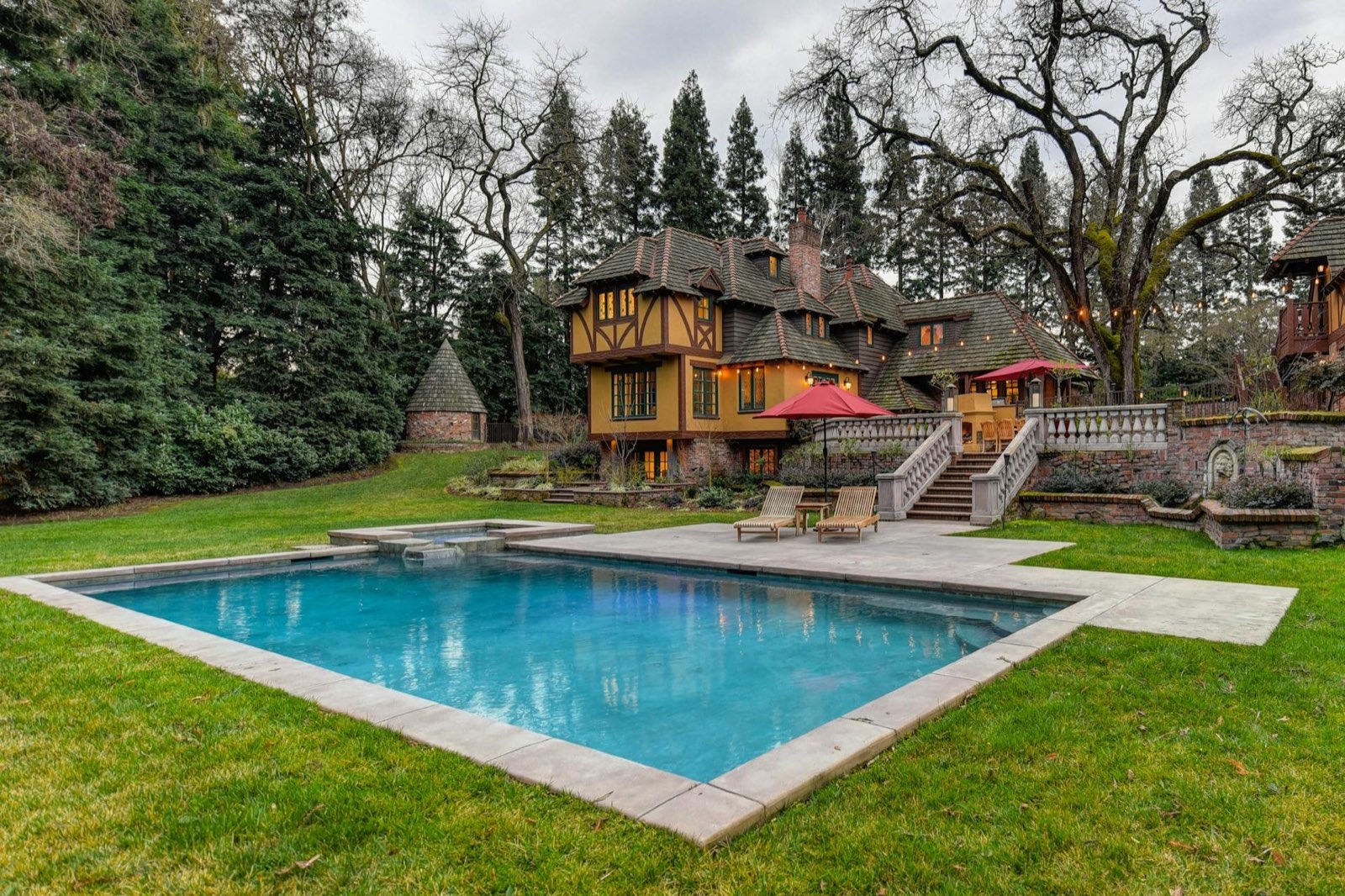
A new house on twenty-eight acres above a Litchfield County lake. Fieldstone laid in lime mortar by a local mason who still works the old way, fumed oak floors, hand-troweled lime walls warming to bone over the first winter, ceramic stove in the library, boot room sized for four people in ski boots. The advisory work resolved the parti and the material spec before the architect went to schematic.
Open ++Lombard farmhouse, restoration for a family office
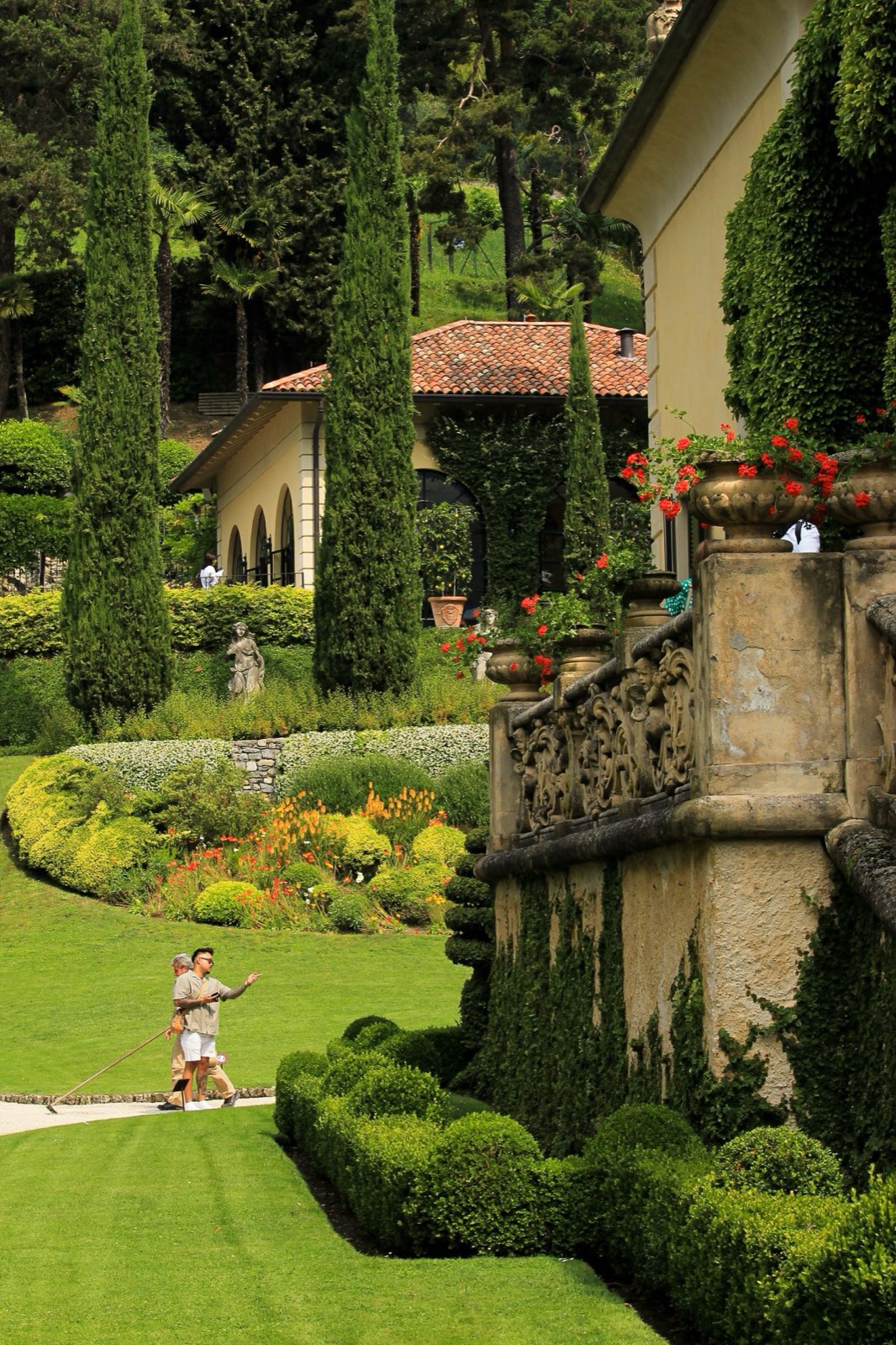
A working farm on the Lombardy side of Lake Como, held by a family office across two generations. Frescoed sala restored under the supervision of a Brera-trained conservator, scagliola fireplaces returned to use, the new kitchen wing detailed in lime plaster and Patagonia quartzite. The brief defined which rooms were untouchable, which could be reprogrammed, and how the guest sequence would read on arrival.
Open ++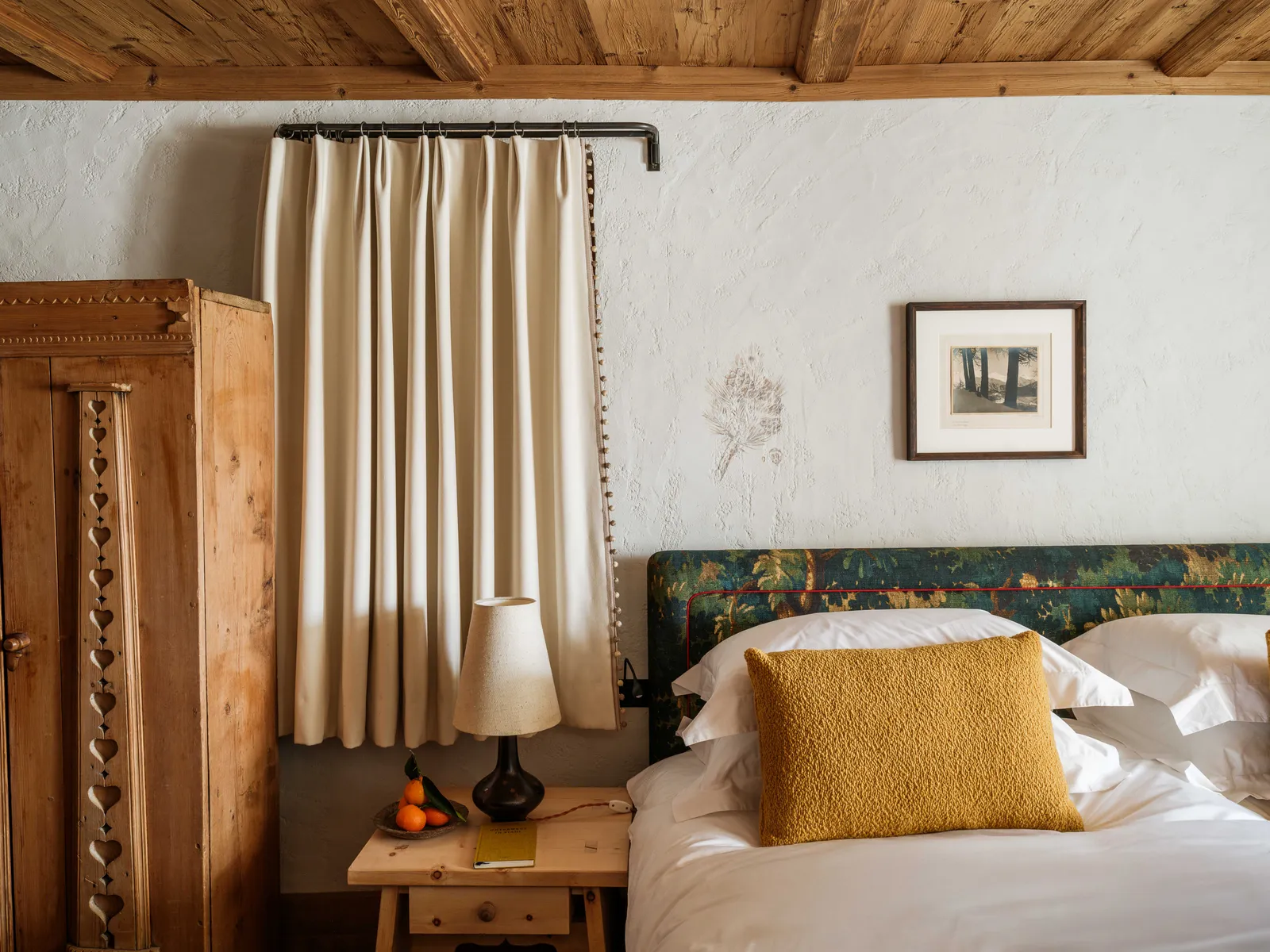
Sources and notes
European hospitality benchmarks
Le Coucou Meribel, Hotel du Couvent in Nice, Passalacqua on Lake Como, Castello di Reschio in Umbria, and Schloss Elmau in Bavaria are the projects we name in writing when a brief calls for hospitality-grade discipline carried into private residential work.
Restoration canon
Hans-Jorg Ruch in Zuoz on the Engadin restoration method, Festen Architecture on contemporary monastic adaptation, Studio Peregalli in Lombardy on layered domestic restoration, and Axel Vervoordt on the long arc of patina and quietness. These are the practices the brief sits in conversation with.
Regional fit
Italian-lakes work is held to the standards of the local comune and the inherited material culture. Connecticut work is held to Litchfield, Greenwich, Westport, Darien, New Canaan, and Ridgefield zoning, and to the quiet neighbor test, which matters as much as the permit set.
Bring us in before the architect.
Send a brief or call the studio. We respond to every serious inquiry within two working days.