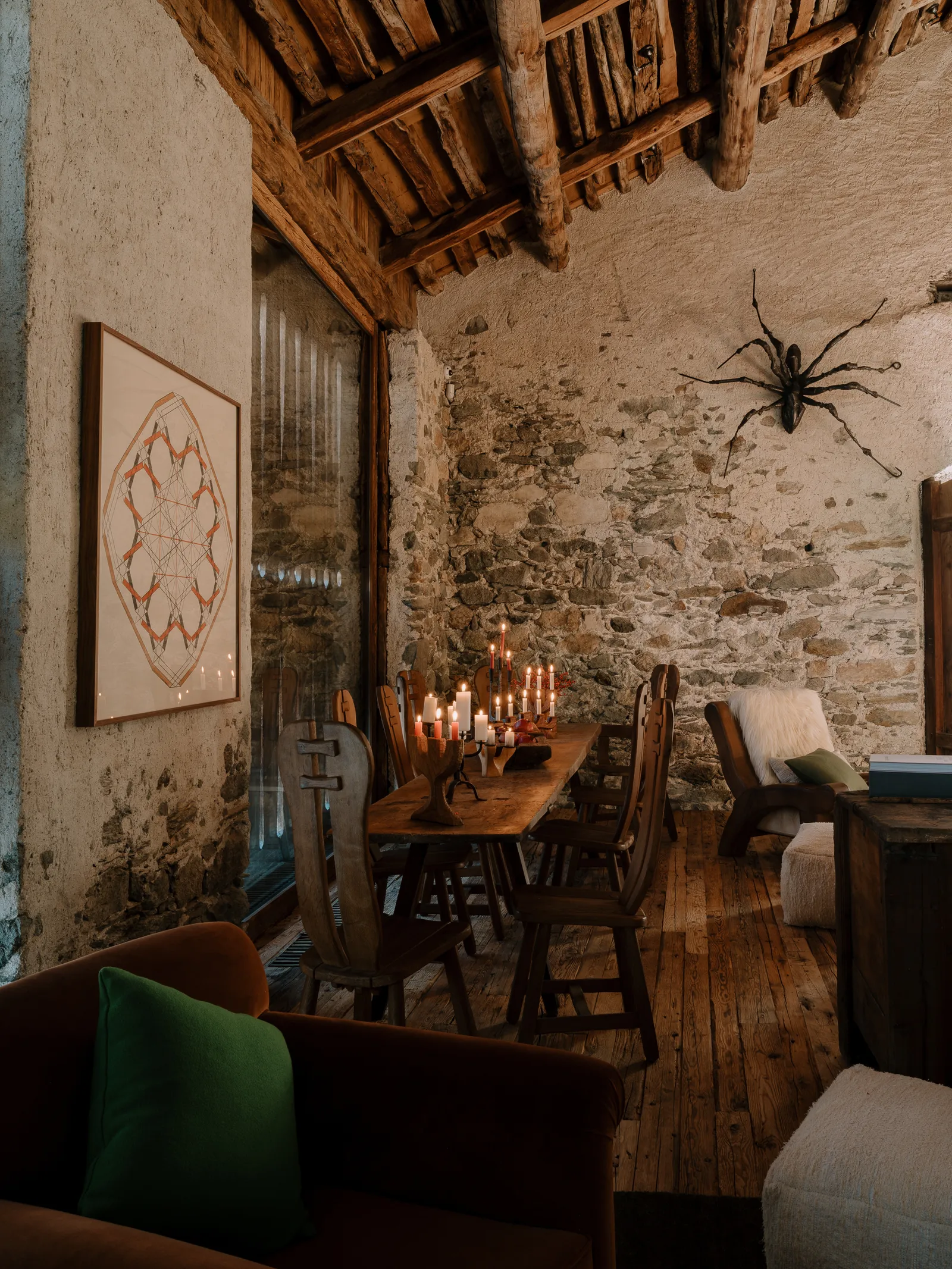
Chesa Studio/Materials
The material library
A short reference for the surfaces we keep returning to, and how each one ages. Every fixed material in a Chesa house is tied to a named workshop before the drawings harden.
A narrow palette, known well
We would rather know three lime mixes than specify a dozen we cannot answer for. What follows is the working vocabulary, the same page we hand a client at the first material meeting and a job captain on site. Each one is named, sourced, and chosen for how it ages.
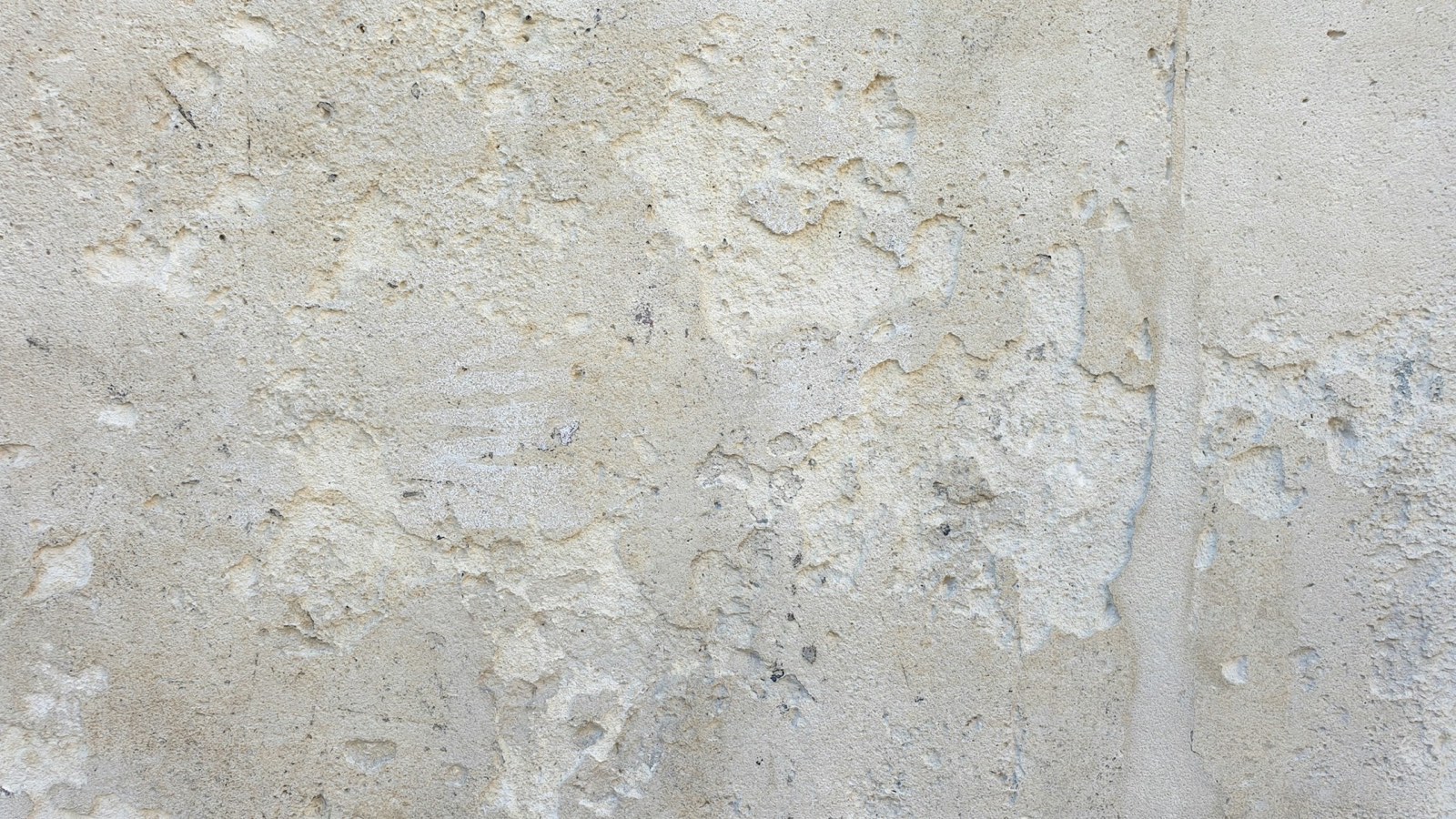
Hand-troweled lime over a lime ground
Mixed on site and laid by a single plasterer working from one bucket, lime gives a wall a depth flat paint never reaches. It warms to bone over the first winters, holds light differently through the day, and manages the room's humidity on its own.
Mixed on site · finished by one hand
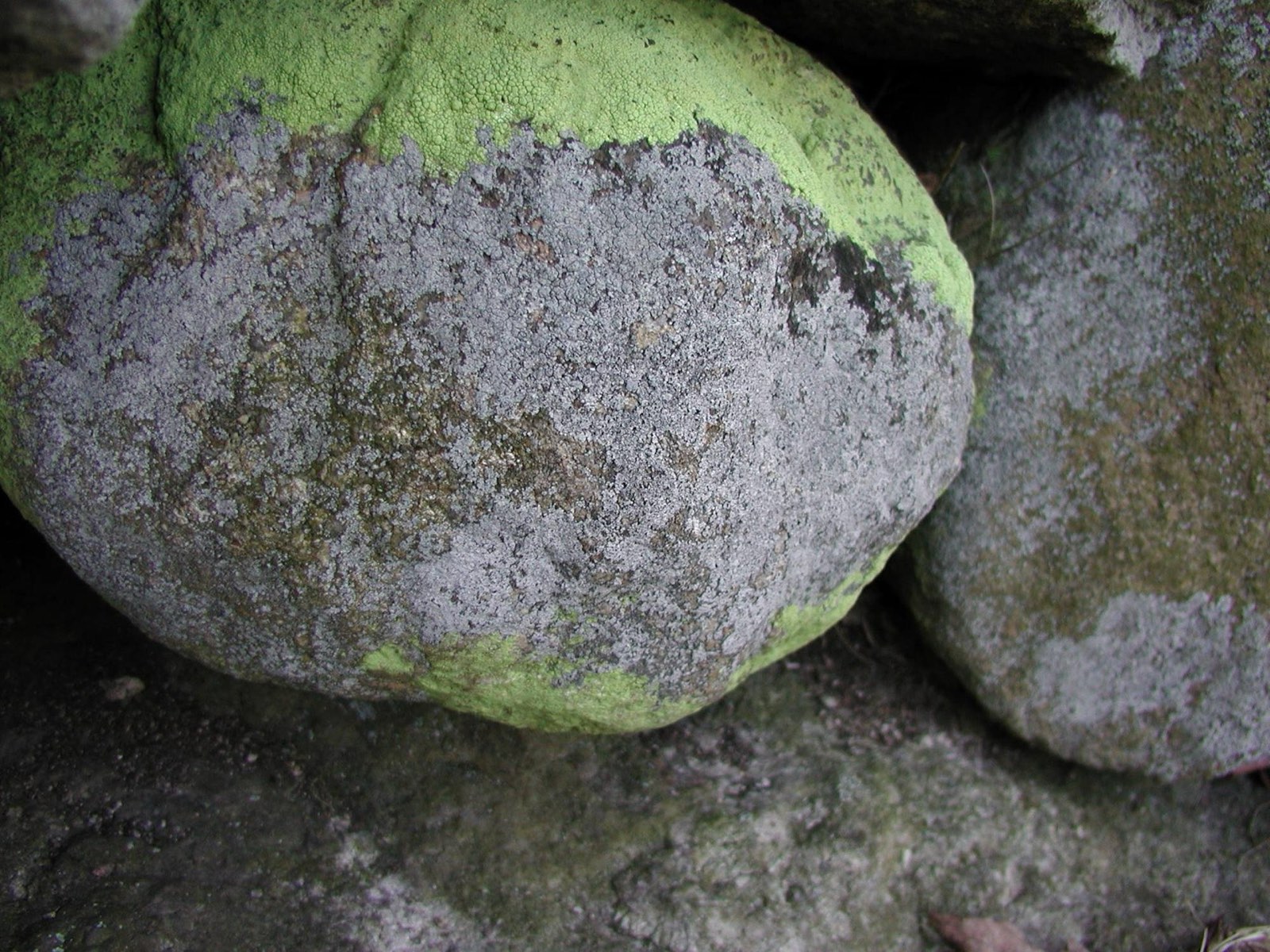
Fieldstone laid in lime mortar
Set by a regional mason who has worked the same hills for thirty years, fieldstone in lime mortar reads as masonry because it is masonry. It takes lichen within a few seasons and looks, by the second winter, as though it had always carried the house.
Regional mason · lichen-stained by the second winter
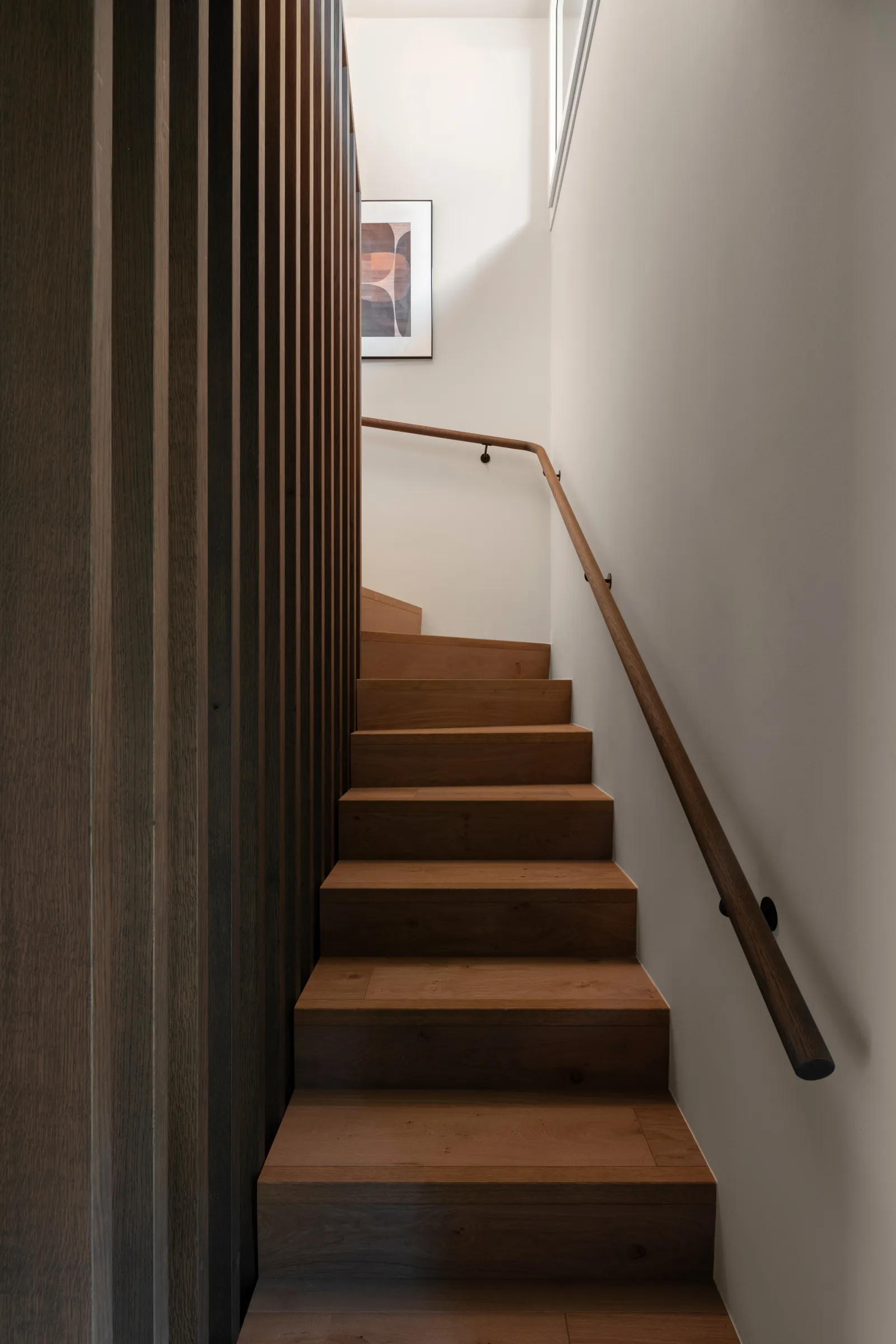
Fumed oak and reclaimed chestnut
Solid wood in long planks ages the way old floors do, darkening with a hundred dinners and a hundred dog walks. Reclaimed chestnut is pulled from old barn frames, so the board already carries a century before it is laid.
Long-plank fumed oak · reclaimed chestnut from Pioneer Millworks
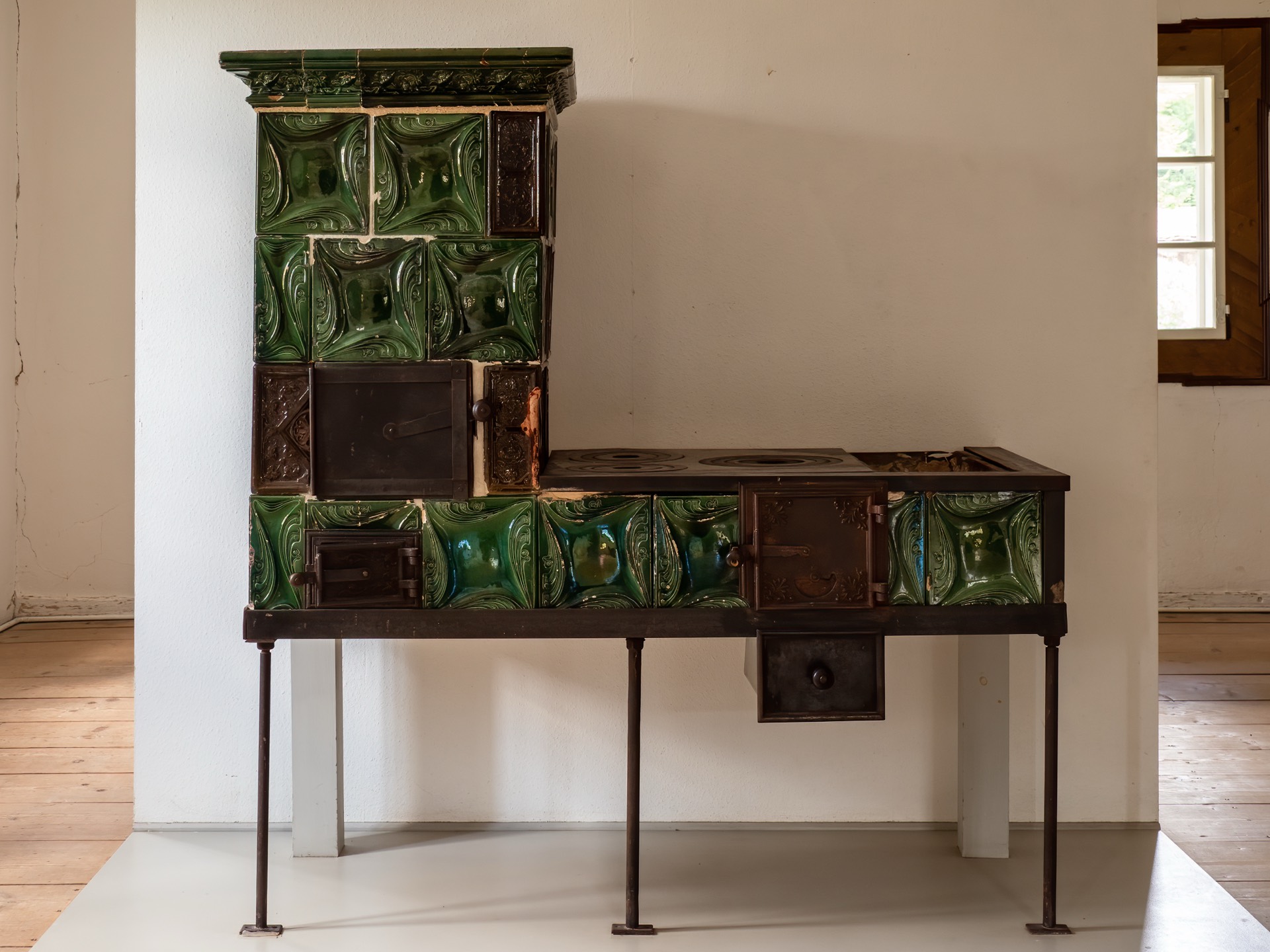
The ceramic kachelofen
A masonry stove faced in glazed ceramic holds the heat of a single fire and gives it back by radiation for most of a day, with no fan, no noise, and no moving dust. It also gives the plan a center, the way old houses were built around the one warm room.
Sommerhuber and Tonwerk · set by Maine Wood Heat

Unlacquered bronze
Hardware cast in solid bronze and left unlacquered is the one material we ask the owner to let age. It darkens where hands fall and stays bright where they do not, so within a few years the house wears a quiet record of how it is lived in.
P. E. Guerin · left to find its own color over thirty years

Sgraffito over lime
A tradition of cutting a pattern through a dark lime coat to the pale ground beneath. Worked by hand on site, it is lime over lime, so it breathes and weathers with the wall instead of sitting on top of it.
Cut by hand on site
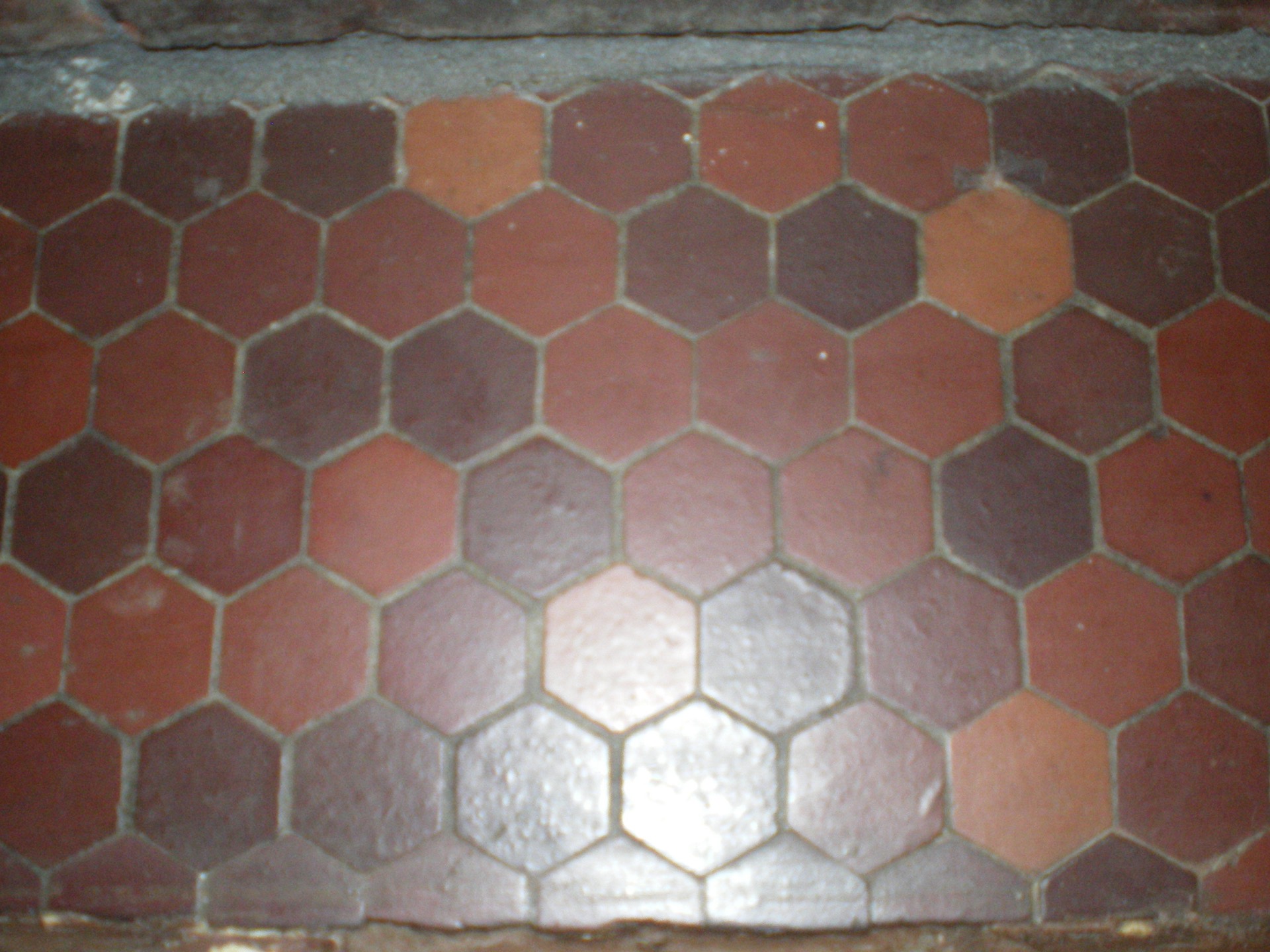
Impruneta cotto and Salernes tomettes
Fired terracotta from the kilns of Impruneta and Salernes, set on floors drawn full-scale on the slab before a tile is cut. Waxed rather than sealed, it reddens and softens underfoot the longer a room is used.
Impruneta · Salernes · met at the kiln and again on site
Begin the brief.
Most commissions begin with a material meeting at the table. Call the studio or send a brief, and we will set one.