Project/Litchfield County/In stewardship
Hill Rose
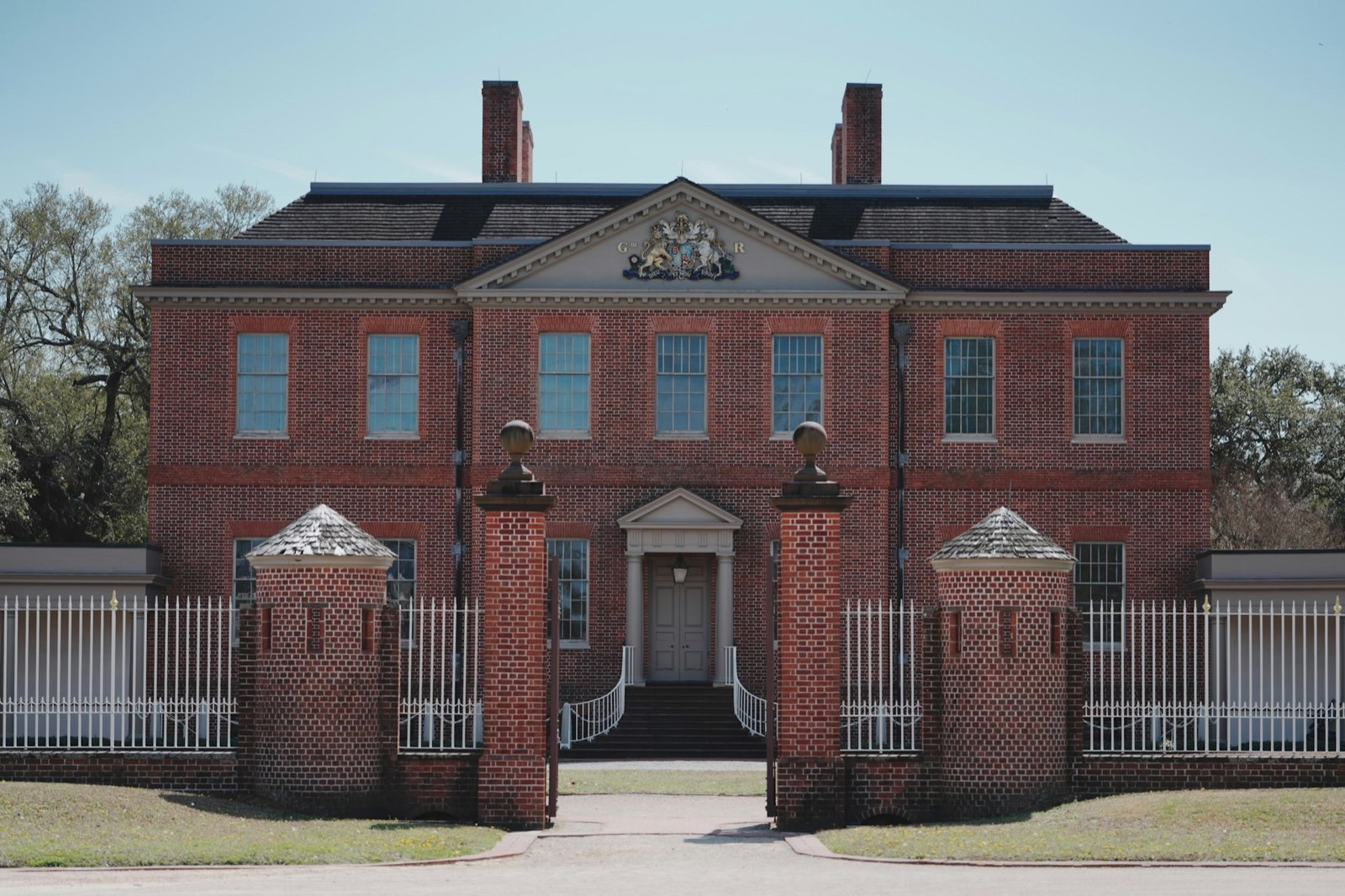
1810 Federal on twenty-six acres, restored room by room, with a new wing that reads 1830.
Hill Rose is a 1810 Federal on twenty-six acres of pasture and second-growth hardwood in northwestern Connecticut, with an attached carriage barn and a north field that drops to a stone-walled spring. The owners came to us with a house that had been over-restored in the 1980s and under-restored ever since. The brief was to read what was original, remove what was not, repair the fabric with the right hand, and add a single wing that would read 1830 rather than 2026. We worked the building for two winters and a summer with a site superintendent, a paint stratigrapher, a sash workshop in the Hudson Valley, a lime mason out of Sharon, and three named ateliers for the interior finishes. What follows is the brief as we would hand it to a successor.
Reading the site
The house sits on a south-facing shoulder above a glacial bench, with the original carriage drive entering from the east and a kitchen door turned to the kitchen garden on the north. We walked the property in mud season before we touched anything, mapped the original sight lines from the porch and the second-floor hall, and confirmed that the field stone walls running the north pasture were laid in the same campaign as the foundation. The carriage barn, attached by a low ell, had been added around 1842 and had moved about an inch off plumb. We left it where it stood and rebuilt the sill in white oak rather than jacking it true.
Paint stratigraphy and the original palette
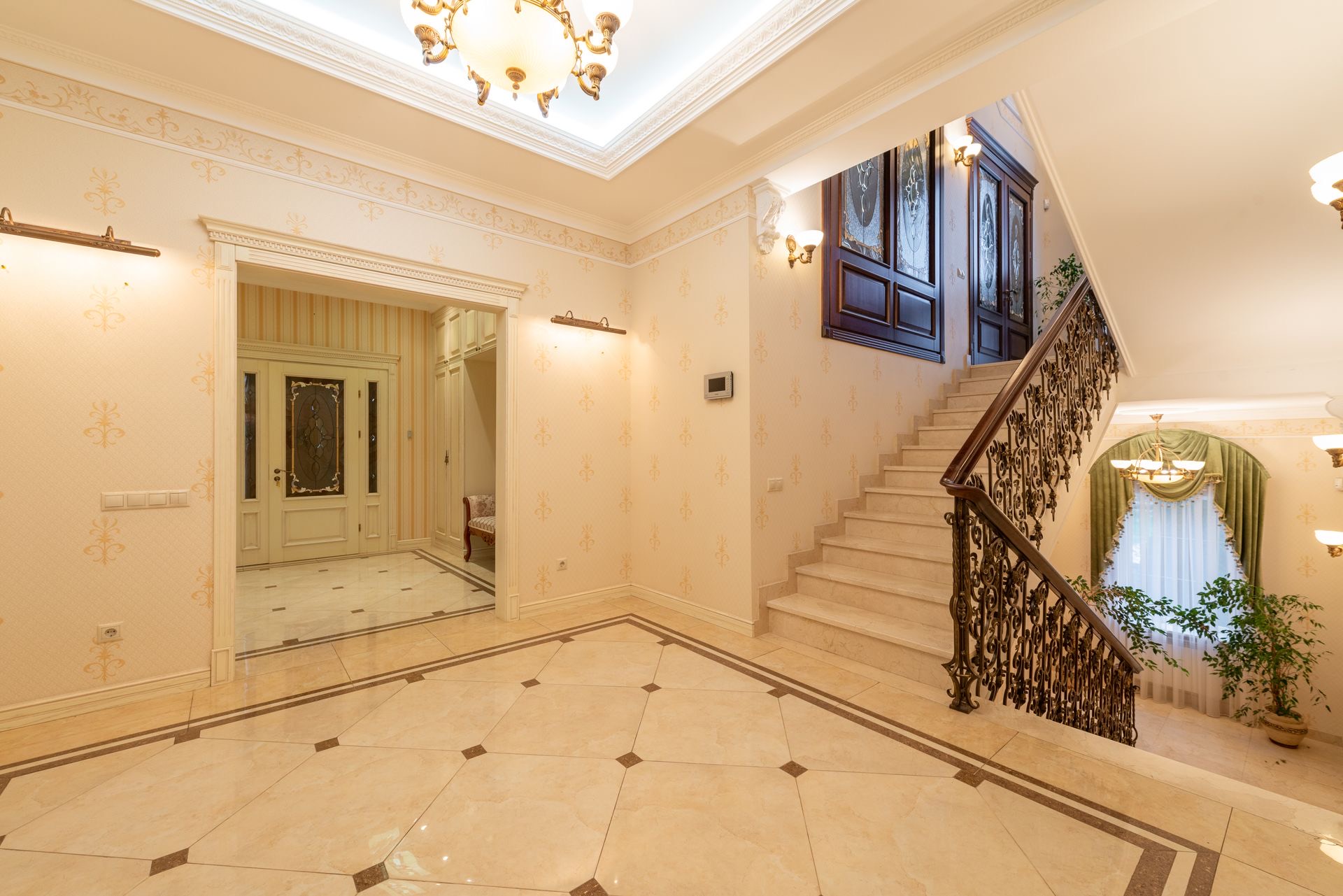
Before any wall was scraped we commissioned a full paint stratigraphy on the public rooms, the stair hall, the chamber level, and the original kitchen. The report came back with seven layers in the parlor and four in the dining room, with a documented first-generation distemper in a warm bone over a chalk ground. We rebuilt the parlor in a hand-mixed distemper to that reading and ran the dining room in a Trianon grey on the boiserie with a chalky white above the chair rail. The owners agreed to leave one twelve-inch witness panel uncovered behind the parlor cupboard so the next generation can see what we found.
Sash, glass, and exterior carpentry
All twenty-eight original sash were removed, numbered, taken to a workshop in Columbia County, and rebuilt with new tenons in their original mortises. Every pane was reglazed in cylinder glass from Bendheim, set in linseed-oil putty with a five-day skin before paint. The exterior trim was repainted in two coats of a hand-mixed linseed paint over a lead-replacement primer; we kept the original muntin profile and refused the temptation to thicken it for thermal performance. Storm sash was built in a matching profile in white pine, hung interior, and disappears behind the original shutters in summer.

Foundation, chimneys, and lime repointing
The fieldstone foundation, laid in lime mortar in 1810 and patched in Portland cement around 1958, was raked out to a depth of two inches and repointed in a hot-mixed lime in three campaigns, one per elevation per summer. The two original chimneys were relined in clay flue tile sleeved through the existing masonry; the third, a brick stack added in the 1920s, was taken down to the attic floor and rebuilt in salvaged Litchfield common brick. The lime mason is a third-generation operator out of Sharon who works only on pre-1860 stock. We will use him again.
Floors, plaster, and interior finishes
The parlor, dining room, library, and stair hall received wide-plank chestnut from Hull Forest Products in Pomfret, milled from reclaimed beams and laid in random width from nine to fourteen inches, face-nailed in rose-head cut nails, finished in three coats of hand-rubbed wax over a tung-oil sealer. The kitchen and the back hall received a quarter-sawn white oak, fumed, then waxed. All public-room walls were skimmed in a hand-troweled lime by Marmorino Studio out of New Haven, finished in three passes with a steel trowel and a final burnish. The boiserie in the dining room is poplar, built by a joiner in Kent, painted in the Trianon grey by hand with a long-bristle hog brush, no spray.
Hardware, lighting, and metal
Door hardware throughout the public rooms is P. E. Guerin unlacquered bronze on the original mortise locks, which were stripped, repaired, and rehung in their original strikes. The chamber level kept its 1880s rim locks in oxidized iron. Lighting is a quiet inventory: hand-blown glass hurricanes on the dining table, a single nineteenth-century English brass lantern over the stair, picture lights in unlacquered brass on the parlor walls, no recessed downlights in any pre-1900 room. Switches are toggle in a flat bronze plate. The bronze will move to a deep chestnut over the first five years and we have told the owners not to polish it.

The family room and the Sommerhuber kachelofen
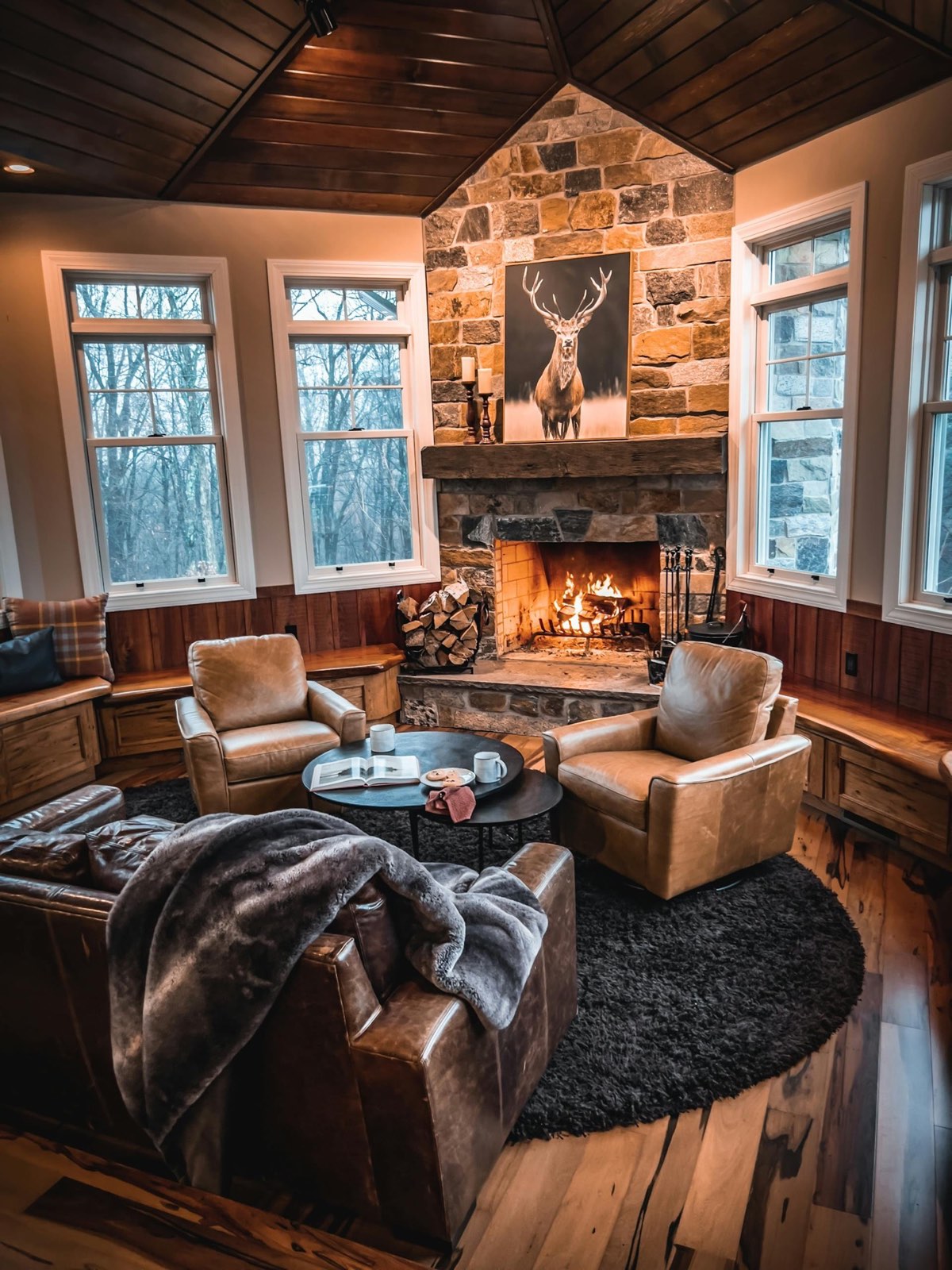
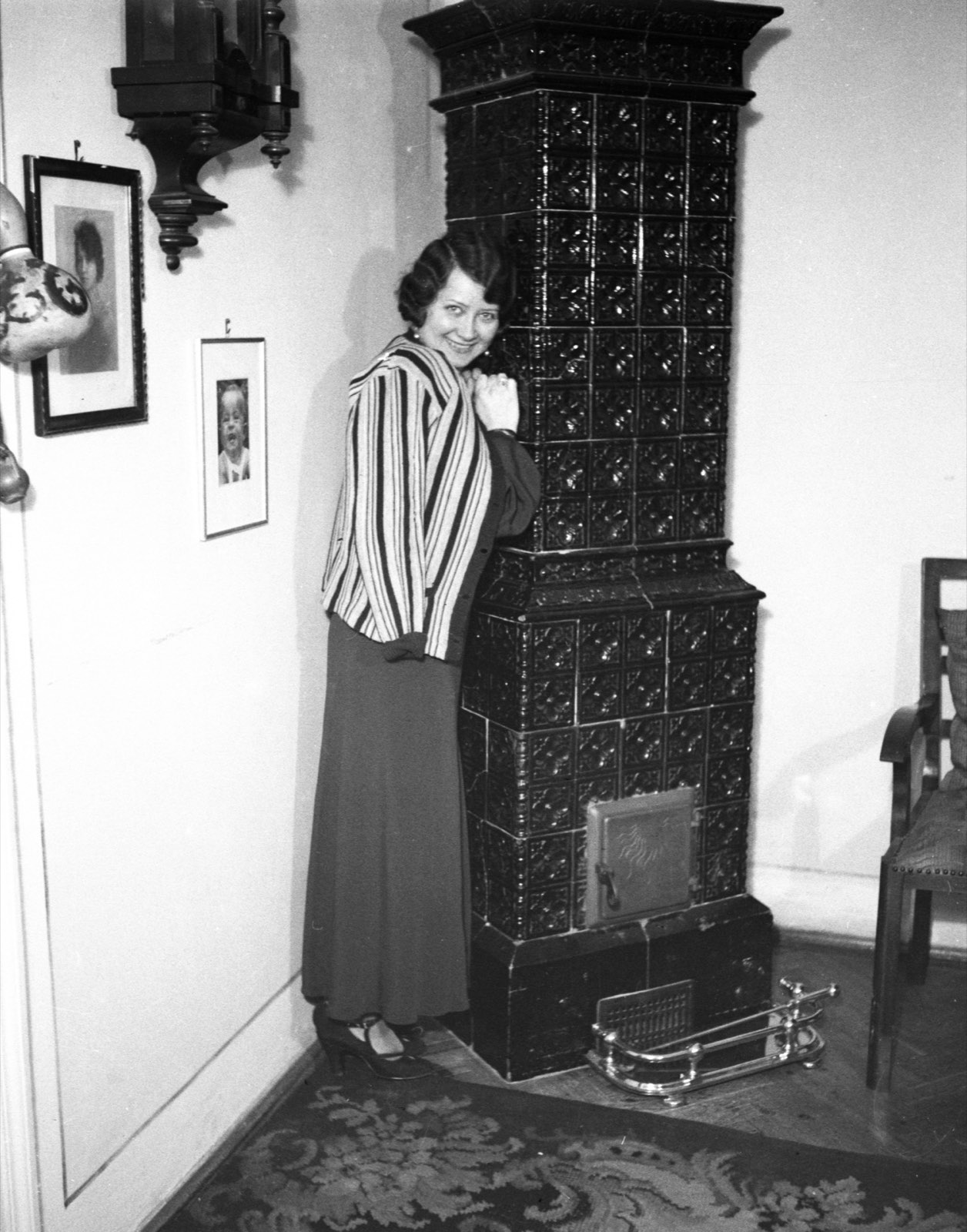
The family room sits in what was the original keeping room, with the cooking hearth still in place behind a removable panel. We left the hearth, blocked the flue at the smoke shelf, and inserted a Sommerhuber kachelofen in a hand-glazed celadon green against the north wall, vented through the 1920s stack we rebuilt. The stove holds the room from October to April and asks for two loads of seasoned ash a day in the cold months. The bench across its back is fumed oak with a horsehair cushion in a Holland and Sherry wool. The room reads as the room the house always wanted in that corner.
The new wing
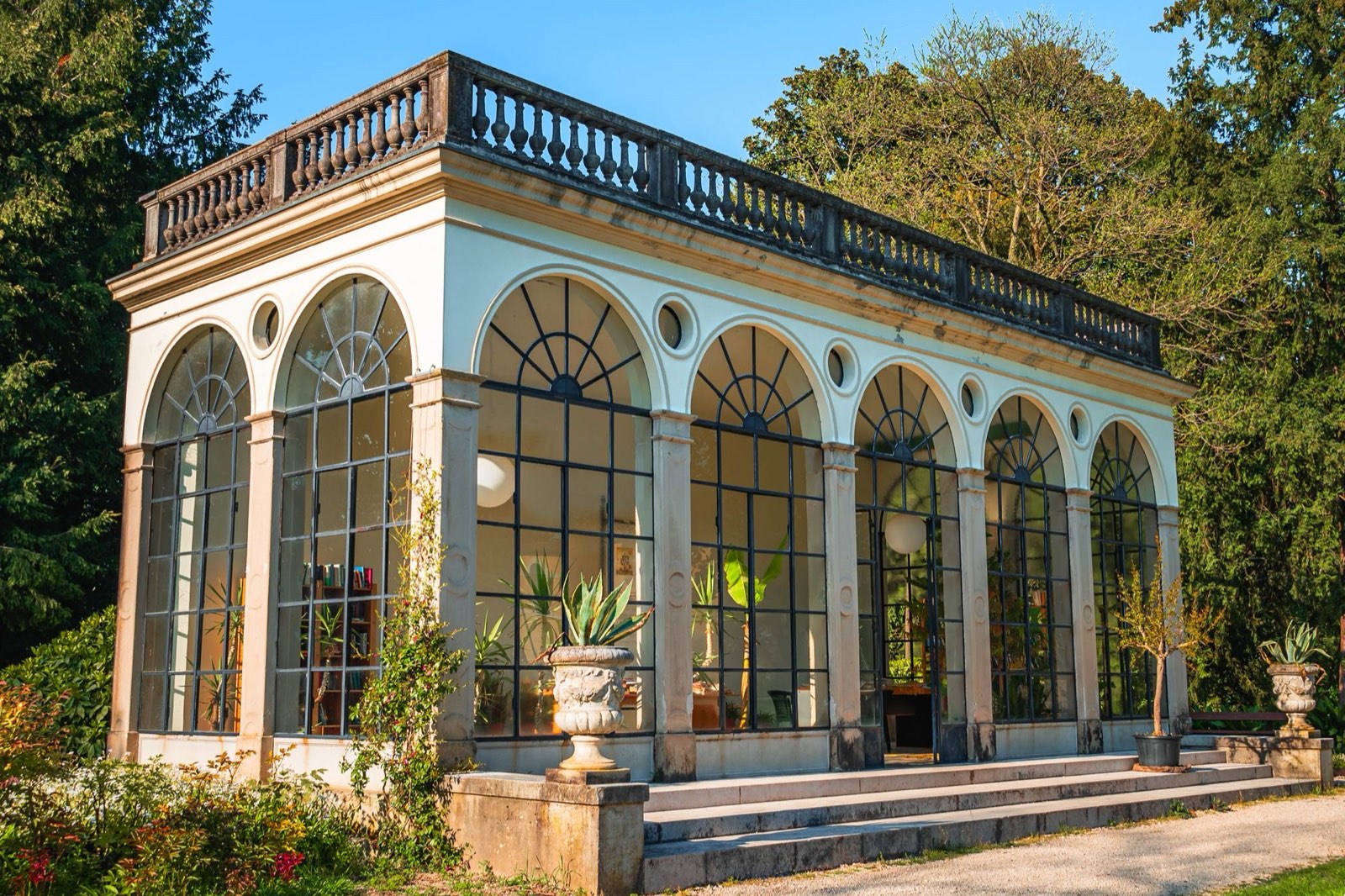
The owners needed a primary suite, a working pantry, a mudroom for a working farm, and a covered way to the carriage barn. We added a single-story wing off the north ell, set down two feet from the original ridge, with a six-over-six sash in the same Bendheim cylinder glass, hand-split white cedar shingles on the roof, fieldstone foundation laid in lime mortar by the Sharon mason, and the same wide-plank chestnut floor running through the threshold without a transition strip. The exterior cladding is hand-riven white oak clapboard, primed and finished in the same linseed paint as the original house. In ten years no visitor will read the wing as an addition. That was the brief.

Garden, threshold, and the approach
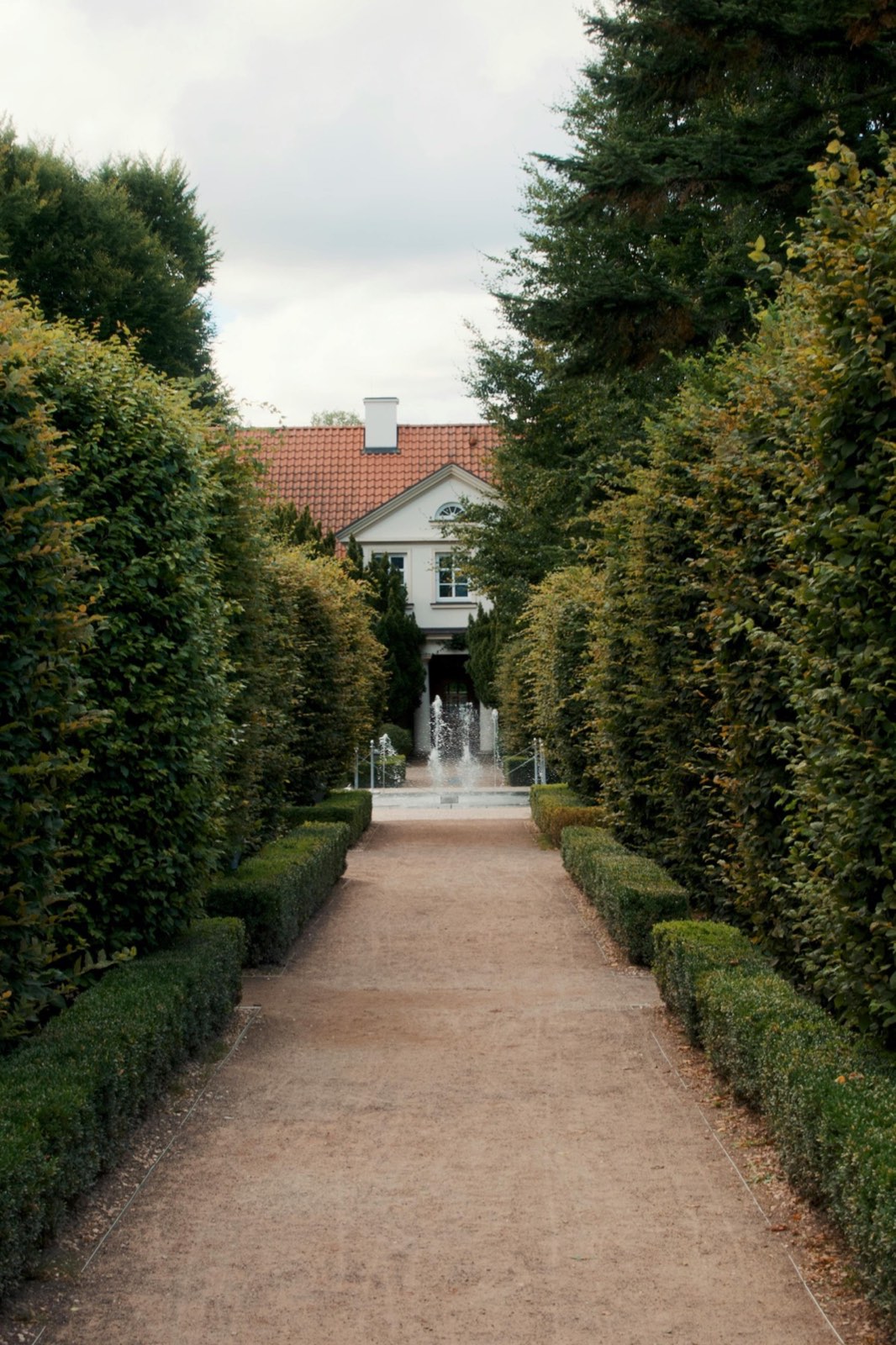
The arrival was reworked to bring the carriage drive back to its 1810 line, with a gravel court of three-eighths-inch crushed Connecticut trap rock raked weekly. The entry threshold from the court is in pietra serena from Il Casone in Firenzuola, three steps deep, set on a lime-mortared rubble base. The formal garden to the south is stone-walled in dry-laid Litchfield fieldstone, three boxwood-edged quarters around a central plinth, with a single Magnolia grandiflora on the south wall and a hornbeam allee leading to the pasture gate. The kitchen garden to the north stayed where it had always been, with four raised beds in fumed oak and a low cold frame against the ell.
Sources and notes
Site superintendent
Two winters and a summer on site, with a paint stratigrapher, a Hudson Valley sash workshop, and a Sharon-based lime mason carried across all campaigns.
Successor brief
All material specifications, workshop contacts, finish schedules, and witness panels are recorded in the house book left with the owners. Inquiries about the restoration approach reach the studio at (203) 651-8649.
Discuss a restoration brief.
Send a brief or call the studio. We respond to every serious inquiry within two working days.