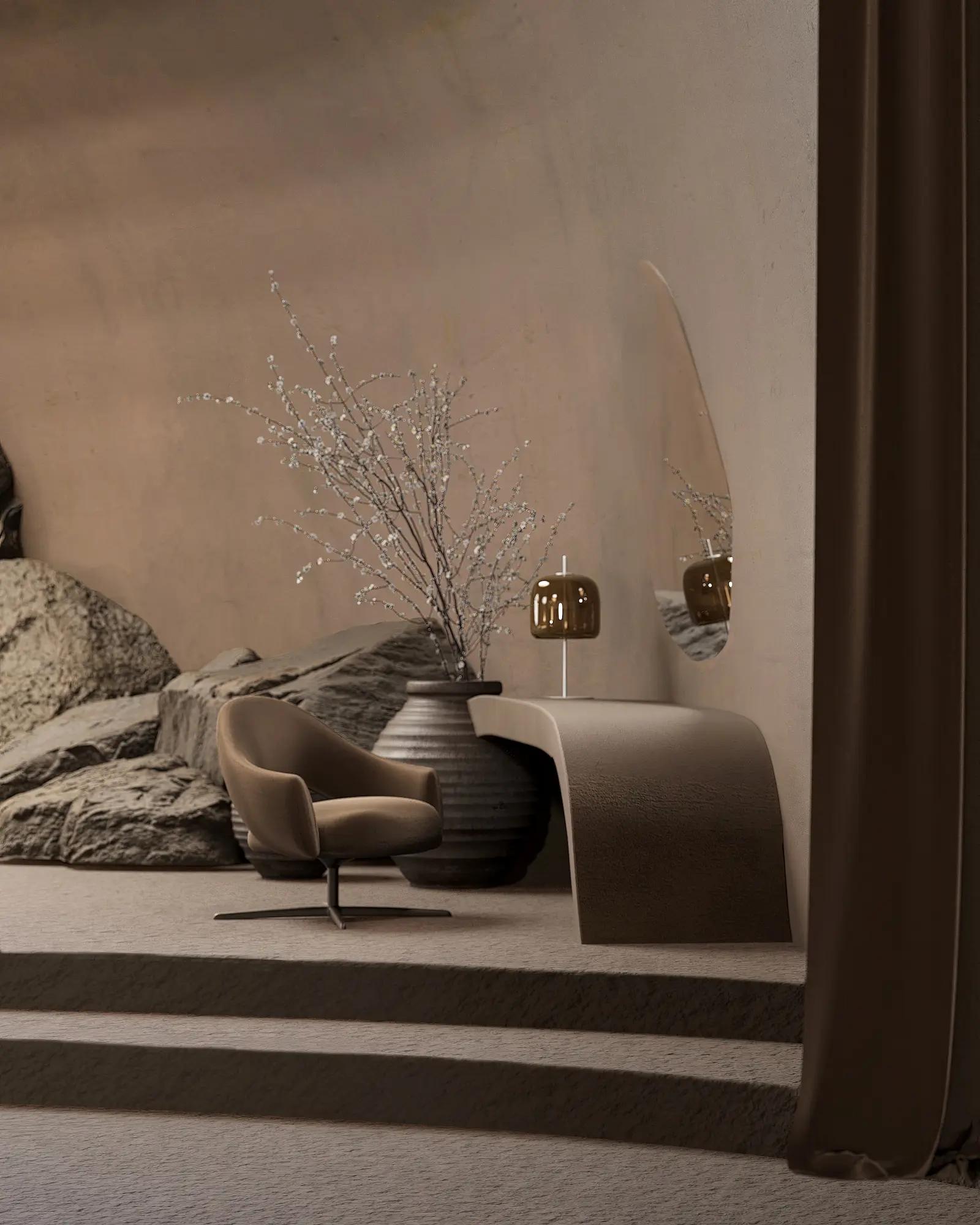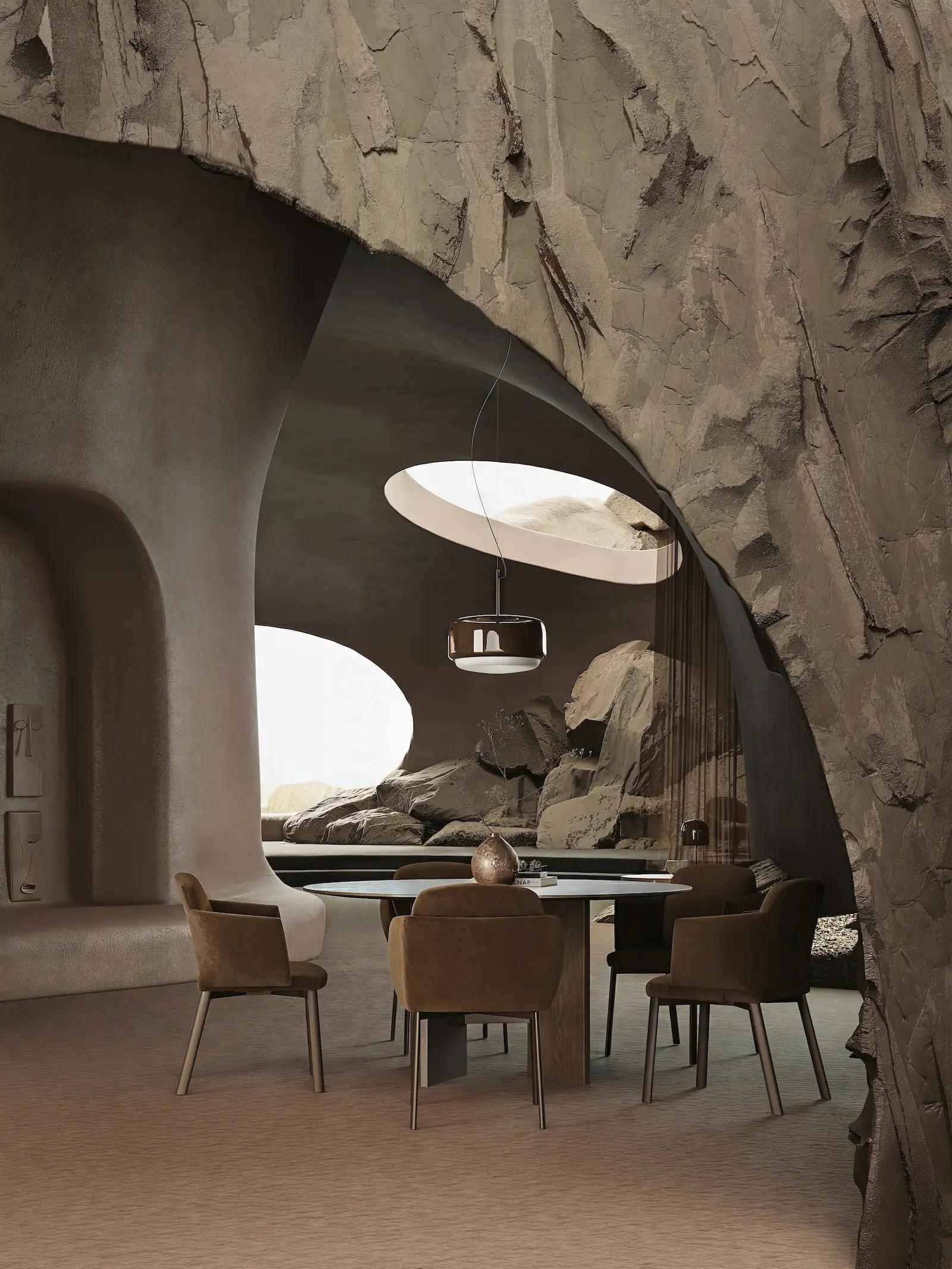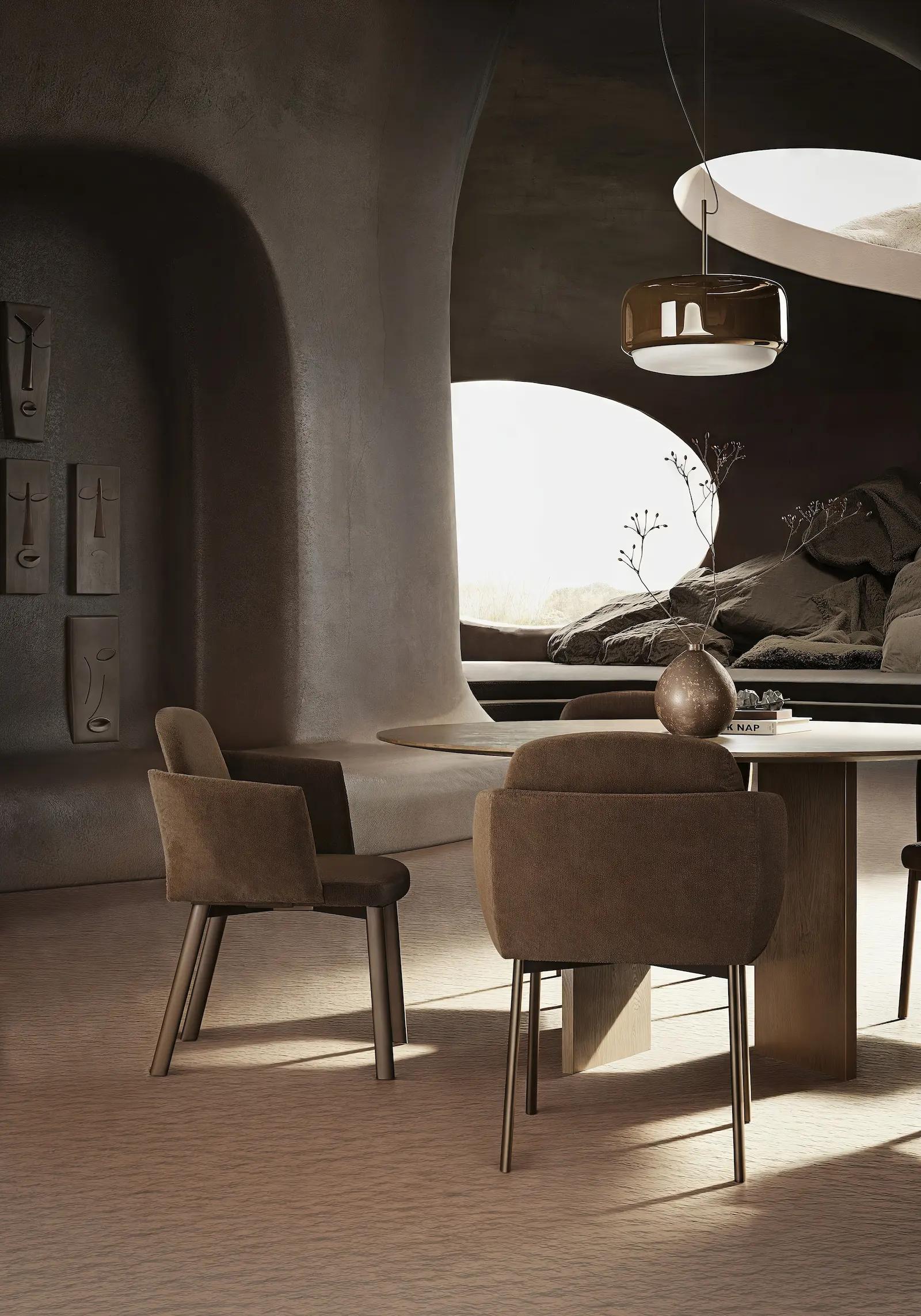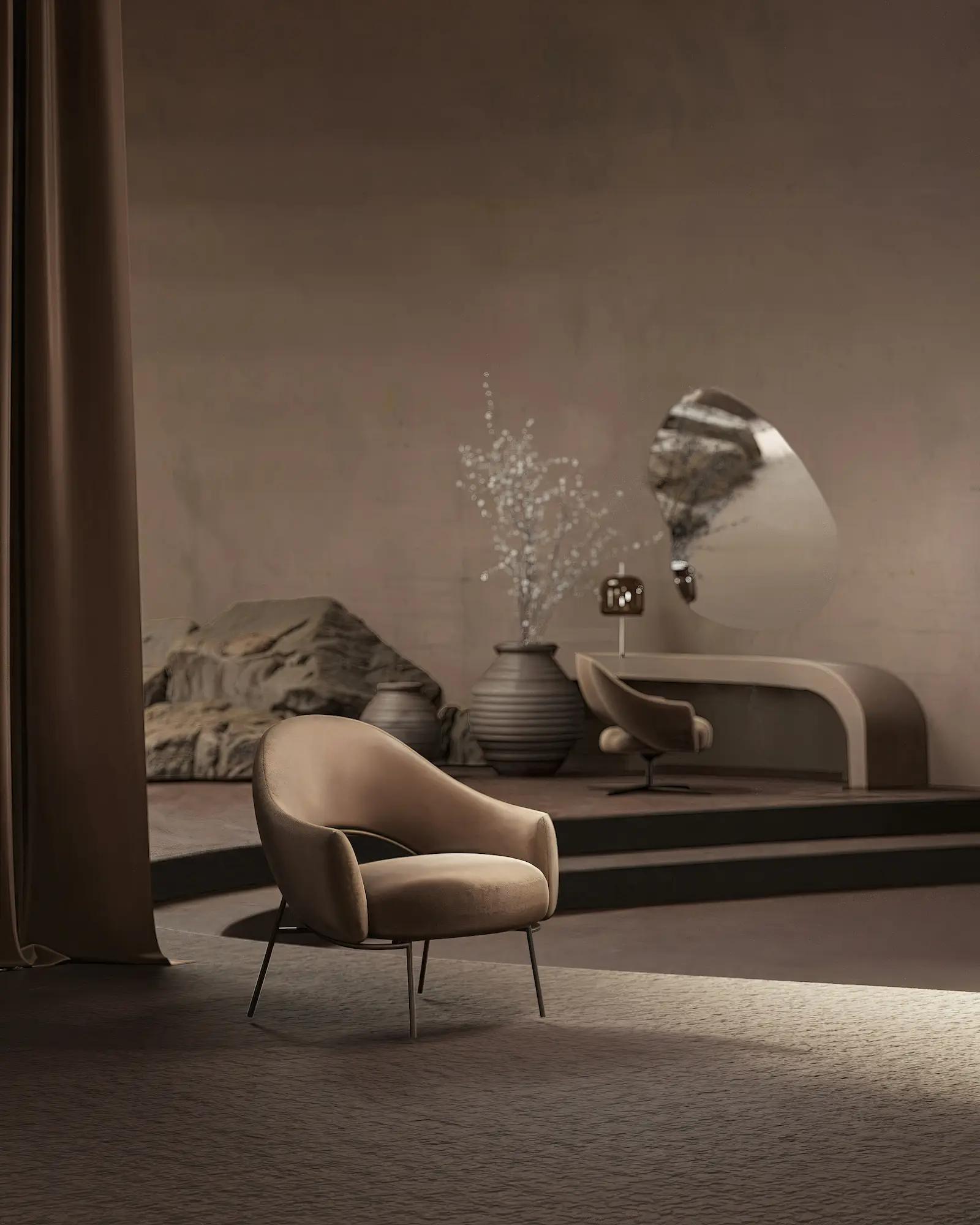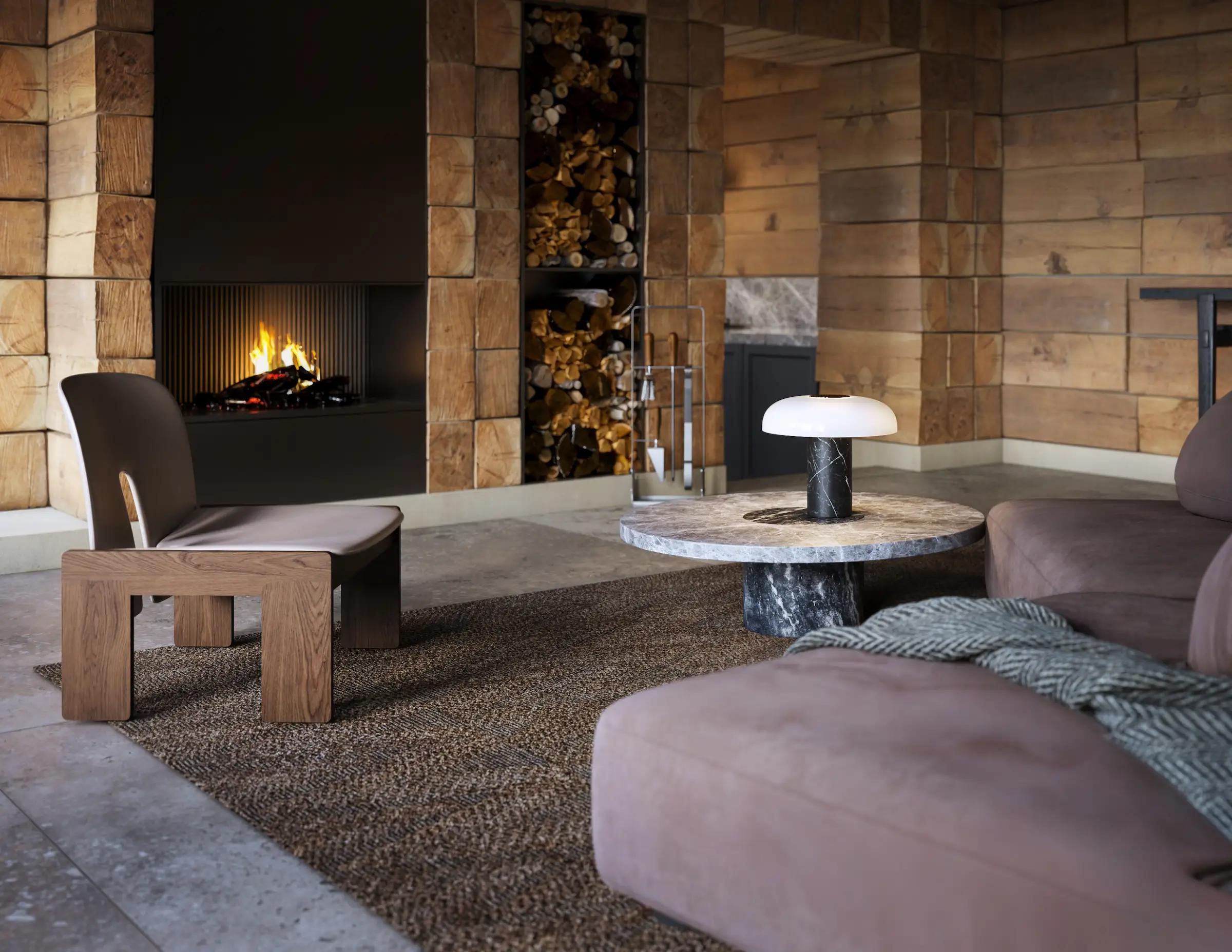





Weston Federal Colonial
Weston Federal Colonial begins with a Connecticut house whose calm proportions, circulation logic, and inherited domestic order deserve to be strengthened rather than overwritten. The work is conceived as a restoration of spatial dignity, not a decorative reset.
The project language draws from Federal-era rhythm, Historic New England restraint, and the warmer register of contemporary domestic life. Entry, dining, stair, kitchen, and drawing-room moments are treated as linked sequences instead of isolated design events.
Materials matter here because they carry both regional and social memory: painted wood, plaster and limewash, timber, stone, brass, lantern light, and upholstery chosen to make the house feel inhabited rather than staged. The palette shifts instead toward chalky plaster, painted joinery, linen, timber, brass, and stone. The emotional register is one of steadiness and hospitality, with enough warmth to make historical structure feel lived with rather than museum-still.
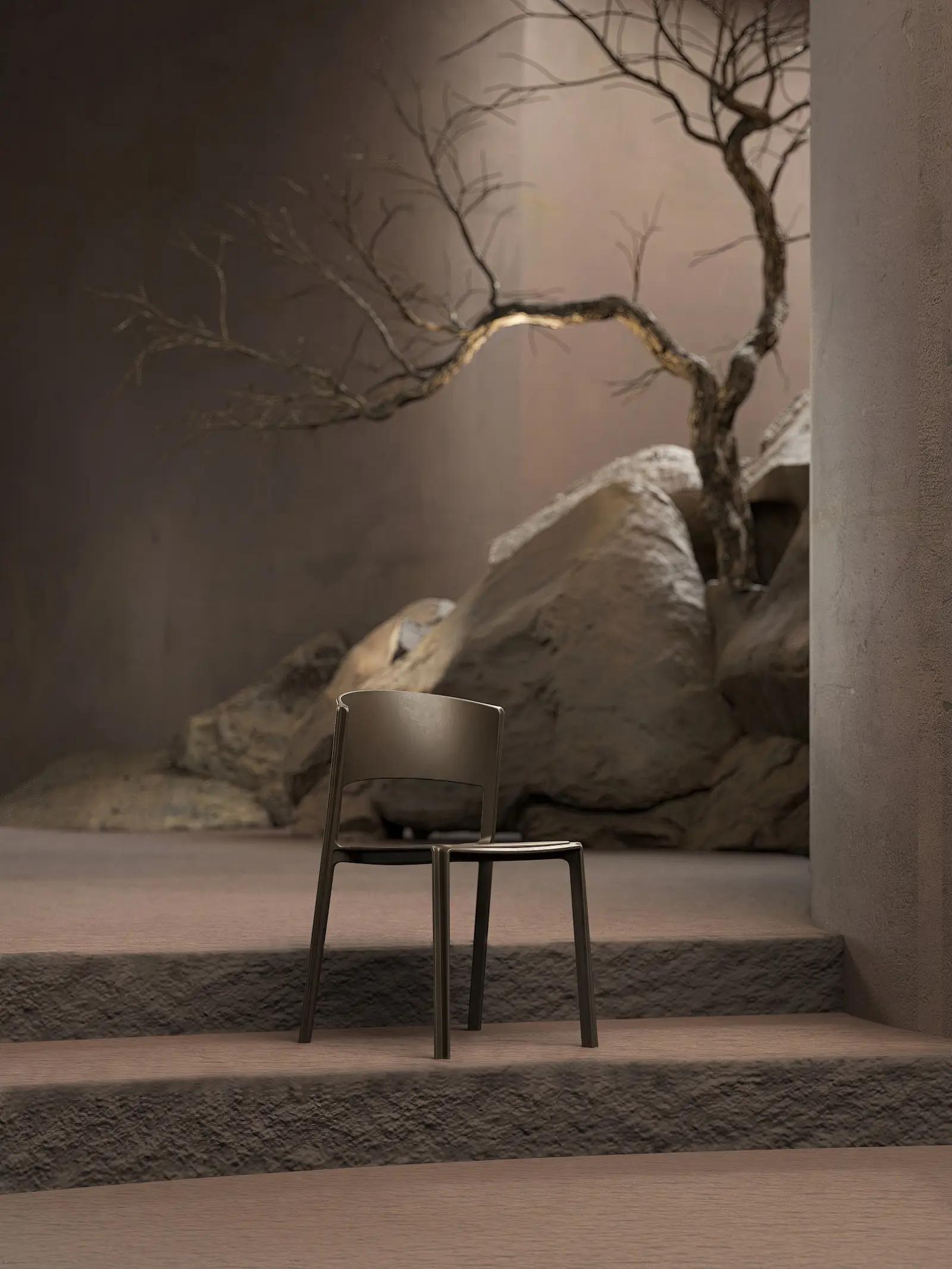
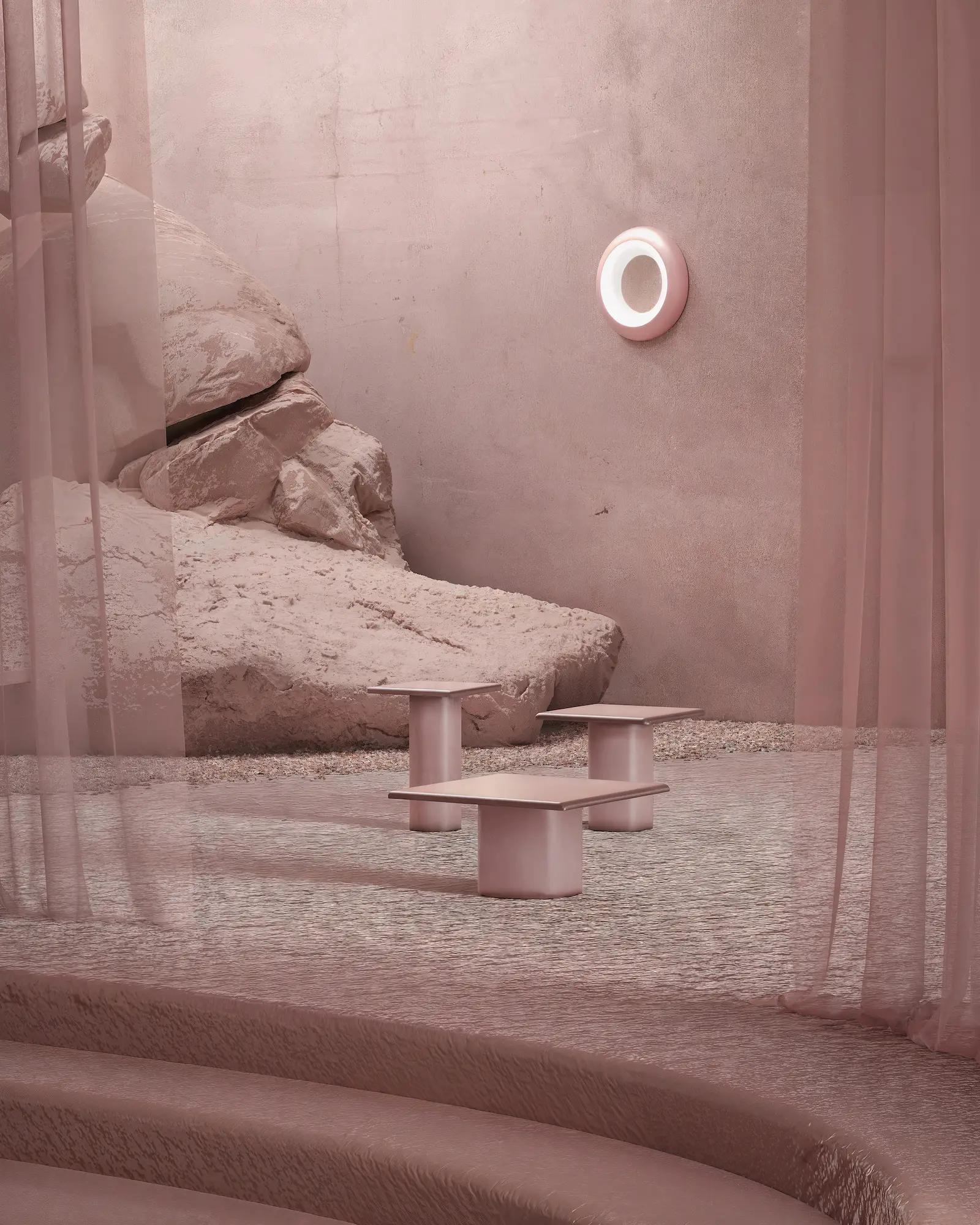

The palette shifts instead toward chalky plaster, painted joinery, linen, timber, brass, and stone. The emotional register is one of steadiness and hospitality, with enough warmth to make historical structure feel lived with rather than museum-still.
The curatorial bridge remains active throughout. Connecticut precedent, preservation standards, decorative-arts intelligence, and hospitality thinking work together so the house can support contemporary rituals without losing architectural seriousness.
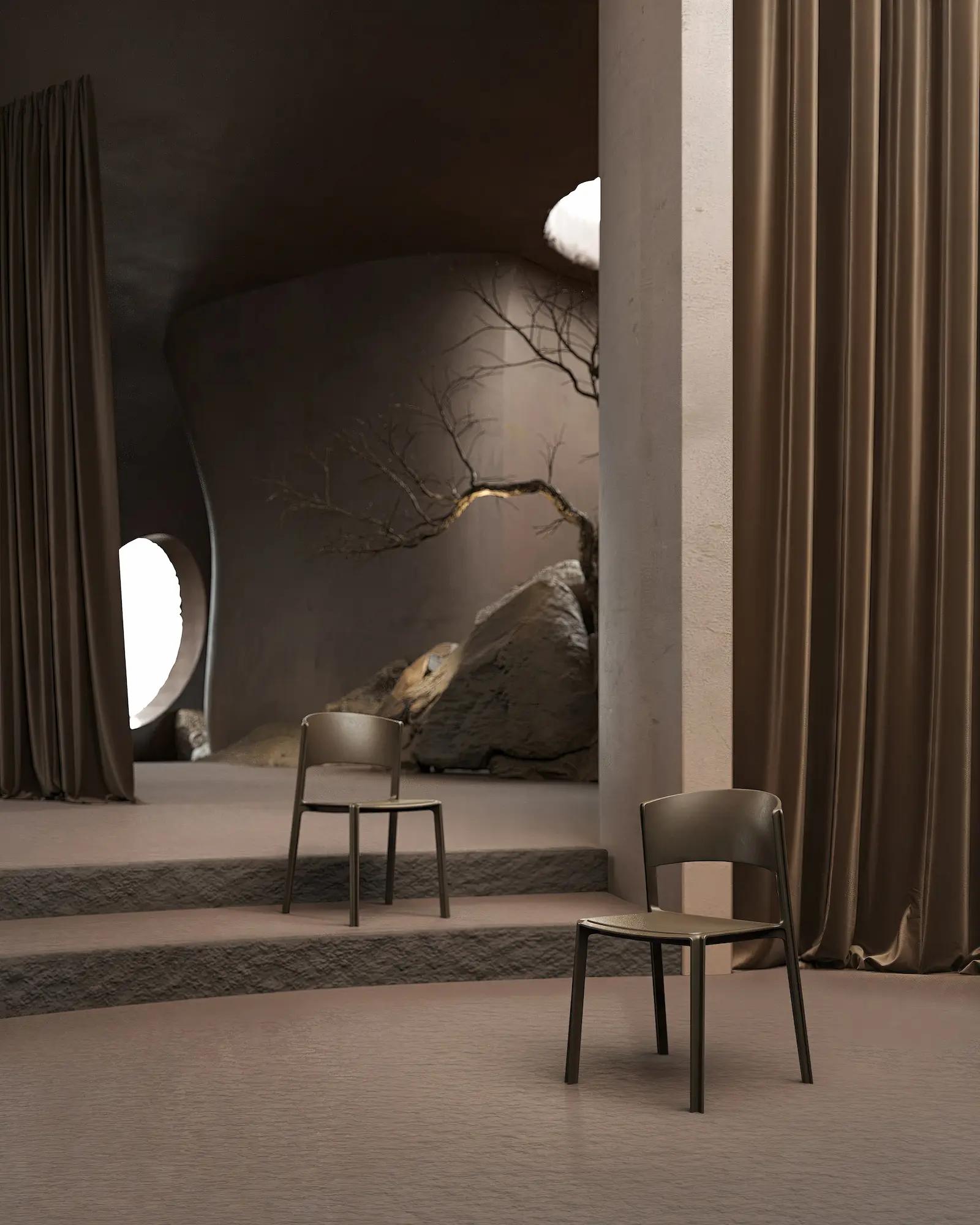
The narrative aim is not escapism for its own sake, but a heightened sense of domestic continuity: arrival, stair, dining, kitchen, and drawing room all deepen the feeling that the house has been restored from within its own logic.